
Canadian Dam Association (CDA)
Working Groups on Emergency
Management and Public Safety
Tony Bennett has recently retired from the position as Director of Dam and Public Safety for Ontario Power Generation where he was responsible for the Dam Safety Program covering dam safety, emergency management and public safety around dams, responsible for a portfolio of 66 hydropower stations and 241 dams. During this time, he was involved in numerous dam safety reviews, failure modes analysis, emergency exercises, safety assessments and incident investigations.
Tony is currently the Chair of the ICOLD Committee on Public Safety Around Dams, and Canadian Dam Association (CDA) Working Groups on Emergency Management and Public Safety, also a member of the CDA’s Dam Safety Committee. He is past President of CDA and the Engineering Institute of Canada. He has served on the Province of Ontario’s Advisory Panel on Dam Safety, and the CEATI Dam Safety Interest Group amongst other technical organizations.
Dams and weirs are critical components of water management systems, serving purposes such as flood control, irrigation, hydropower generation, and recreation. However, they also pose significant risks to public safety when people underestimate or misunderstand the hazards associated with these structures. Each year, incidents occur near dams and weirs involving swimmers, boaters, anglers, and bystanders who are caught in dangerous hydraulic conditions or unexpected water releases. Understanding these risks is essential to preventing fatalities and injuries. The presentation explores the key factors that contribute to safety risks around dams and weirs, focusing on hydraulic behaviour, environmental conditions, human behaviour, and design limitations. Particular attention is given to the formation of “drowning machines” — recirculating currents that can trap even strong swimmers — and to hazards arising from rapidly changing water levels downstream of gated dams. Through analysis of recent incident data, case studies, and risk assessments, the presentation highlights common patterns in public interactions and identifies opportunities for intervention. Effective safety management requires an integrated approach combining public education, clear signage, engineering design of barriers and enforcement. Strategies such as physical barriers, exclusion zones, automated warning systems, and targeted awareness campaigns are evaluated for their effectiveness in reducing risk. The role of community engagement, especially with first responders who may be called upon to perform rescues in dangerous waters is also emphasized as essential for sustainable safety outcomes. By improving public understanding of how dams and weirs operate and the dangers they present, dam owners can take effective actions to reduce accidents, allowing members of the public to make informed choices and reduce exposure to life-threatening situations. The presentation underscores the need for ongoing risk assessments, incident reporting and consistent safety standards to protect the public while maintaining the essential functions of these vital water infrastructure assets.

Deputy Chair
Australian National Committee on Large Dams (ANCOLD)
Colleen is currently the Deputy Chair of Australian National Committee on Large Dams (ANCOLD) and will move into the role of Chair in November 2025. She also serves as a co-opted member of ICOLD Committee M, which focuses on the operation, maintenance and rehabilitation of dams.
With over 25 years of experience in the dam industry and primarily in consulting engineering.
Colleen is widely regarded as a trusted and influential leader. Her expertise spans from dam design to safety management and construction administration, with a portfolio that includes projects across Australia and internationally. She has worked on dam and hydropower projects in Vietnam, Zambia, Sudan, Malaysia, and completed a volunteer placement with the U.S. Bureau of Reclamation.
Colleen’s technical specialisation lies in the design and construction of concrete dams, including roller-compacted concrete (RCC) and conventional types as well as spillways and other complex hydraulic structures.
Australia's experience with major flood events over the past two decades has reshaped the nation's approach to dam safety and flood management. This presentation examines the evolution of Australian dam safety practices through the lens of recent catastrophic flooding, regulatory reforms, and emerging climate challenges. The 2011 Queensland floods and the subsequent Queensland Floods Commission of Inquiry was a defining moment for Australian dam safety. This presentation initially explores some of the history of the flood, the performance of the dams during the flood, and the lasting impact on dam safety practices across Australia. In particular, the presentation contrasts traditional standards-based approaches to flood capacity assessment with contemporary risk-based frameworks now mandated across many Australian jurisdictions. Finally, the presentation touches on how many Australian dam owners are integrating climate change projections into long-term asset management and safety upgrade programs. It provides insights into ANCOLD's forthcoming revisions to the Dam Safety Management Guidelines and Guidelines on Emergency Planning for Dams, which will establish new benchmarks for the profession. These updates reflect lessons learned from recent events and position Australian dam safety practices to address an uncertain hydrological future.

CEO iPresas
Spanish National Committee on Large Dams (SPANCOLD)
Adrián Morales Torres is CEO of iPresas Company and has more than fifteen years of experience in the field of dam safety management, working on the application of risk analysis methodology and other dam safety projects for more than 200 national and international dams in more than 30 countries while facilitating more than 150 risk workshops worldwide.
Since 2021, he has been the technical leader of the project for the implementation of risk governance framework of state-owned dams in Spain. Likewise, he has supported numerous entities in the implementation of management systems such as the governments of Argentina, Bolivia, India and Mozambique, as well as EPM (Colombia) and TNB (Malaysia).
As a researcher and consultant, he is author and co-author of more than 120 publications and several guidelines for dam safety and risk assessment. In addition, he is a member of SPANCOLD, coordinator of the working group on risk analysis and Spanish representative in the ICOLD T-Committee on New Challenges for Dams in the 21st century.
Risk-informed decision making is becoming a cornerstone of modern dam safety management. This presentation shares international experiences from Mozambique, Colombia, and Spain, illustrating how structured risk analysis can enhance safety, optimize resources, and support strategic planning. In this sense, different levels of methodologies are presented from recent studies and management system developed worldwide. In Mozambique, a two-level methodology—combining a screening tool and Potential Failure Mode Analysis (PFMA)—was applied to six dams through nationwide workshops developing a management system for the government of Mozambique. In Colombia, comprehensive quantitative risk assessments (QRA) was used for La Fe and Playas dams integrated hydrological modeling, geotechnical investigations, and seismic analysis. Finally, Spain’s national program covers 370 public dams, with over 300 PFMA workshops and QRA and a cloud-based platform enabling dynamic prioritization and monitoring. The presentation also addresses the unique challenges of tailing dams where dynamic conditions, environmental consequences, and social impacts require frequent updates and multidisciplinary collaboration. Finally, the session will present key lessons learned and the structure of the systems developed, offering a roadmap for their adaptation and implementation in other countries seeking to modernize their dam safety strategies through risk-informed methodologies.

Secretary General
Ministry of Energy Transition and Water Transformation (PETRA)
Dato’ Sri Haji Mad Zaidi Mohd Karli was appointed as the Secretary General of the Ministry of Energy Transition and Water Transformation in January 2024. His key responsibilities include overseeing energy transition initiatives, managing public utilities and navigating complex policy environments to drive sustainable change. Prior to his present post, he was the Secretary General of Ministry of Plantation and Commodities. He began his career with the Malaysian Government in 1995 where he brings over 29 years of extensive experience in economic, trade, investment, science and technology, environment, energy, public utilities, and strategic planning, and has held numerous positions throughout his career. In 2009-2011, he expanded his horizons by joining the Government-Link Companies and providing strategic business development, advisory service and technical expertise. This experience enriched his professional background in both the public and private sectors. In addition, he has played key roles in international committees and organizations, representing Malaysia's interests in the field and actively participating in social and community initiatives. Dato’ Sri Haji Mad Zaidi bin Mohd Karli holds a Master’s Degree in Environment (Technology Management) from the Imperial College, University of London, United Kingdom; and a Bachelor’s Degree in Environmental Science (Hons) from the University Putra Malaysia (UPM).
In Malaysia, most dams are owned and managed by State Governments, with the Federal Government assuming a pivotal role in providing oversight, coordination, and national direction. We recognize that dams are a critical component of our national infrastructure, vital for flood mitigation, water storage, and energy generation. Therefore, ensuring their safety and sustainability is an absolute priority and a shared responsibility across both public and private sectors. The Malaysian Dam Safety Management Guidelines (MyDAMS) developed through collaboration between the Department of Irrigation and Drainage (DID) and dam owners/operators serves as our national benchmark and guiding framework. The Ministry’s direction on dam safety is clear and forward-looking as we are committed to a proactive, not a reactive approach. This involves moving from periodic to continuous monitoring which includes real-time monitoring systems and smart data analytics, ensuring more efficient and responsive safety management. Beyond that, we aim to lead and monitor the development of effective emergency preparedness through the establishment of clear policy frameworks that mandate and guide inter-agency collaboration among all stakeholders to strengthen resilience of our critical infrastructure and build a safer Malaysia. At the ministry level, our strategic focus is on three key areas: technological modernization, strengthening inter-agency collaboration, and improving the efficiency of emergency response. The direction of dam safety in Malaysia is not just about preserving structure; it is about protecting people, building resilience and securing trust in our national infrastructure. We are setting the foundation for a system that is proactive, resilient, technologically advanced, and collaborative. In moving forward, the Ministry reaffirms that dam safety is a shared responsibility. Together, we will ensure that Malaysia’s dams stand not only as engineering landmarks but also ensure zero tolerance for safety compromises and enduring symbols of safety, sustainability, and national confidence.
International Commission on Large Dams (ICOLD)
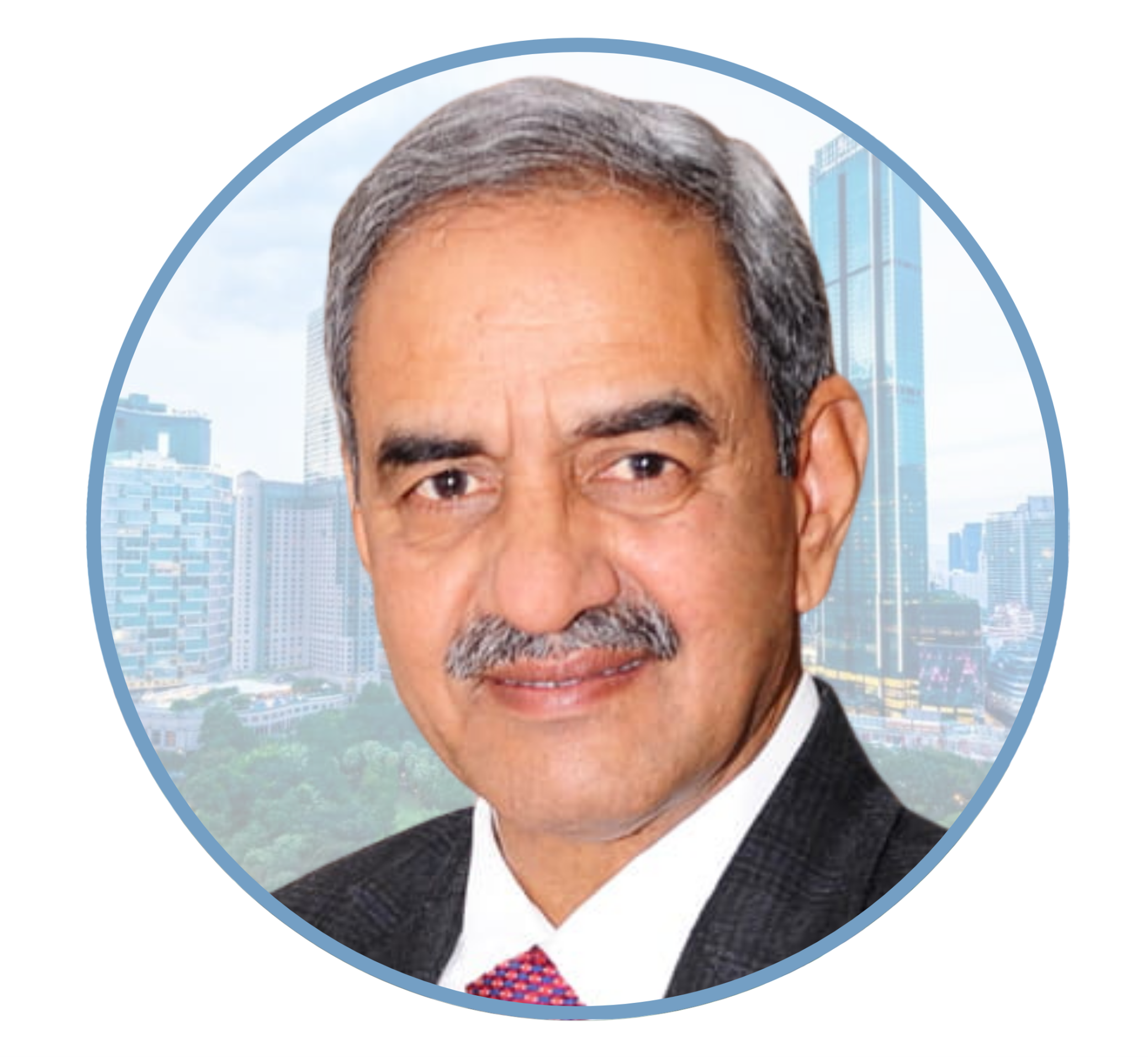
Devendra Kumar Sharma is the President of the International Commission on Large Dams. He is the former Vice President of ICOLD and past Chairman of the Asia- Pacific Group of ICOLD. He was Co-Chairman of the Committee for formulation of ‘World Declaration on Dams and Reservoirs for Energy Transition and Adaptation to Climate Change’. He has been President of INCOLD for two terms from 2018 to 2020 and from 2020 to 2022.
He has 44 years of rich experience in water resources and energy sectors in India and abroad. He is a Member of National Security Advisory Board, National Security Council Secretariat, Govt of India. He has been Chairman of Himachal Pradesh Electricity Regulatory Commission; Chairman of the prestigious Bhakra Beas Management Board, Ministry of Power, Government of India, Chairman of the National Working Group on Hydropower and Pumped Storage Projects for Grid Stability, also Chairman of the National Committee on Underground v/s Deep Seated Powerhouse in PSPs. He was an expert member of the National Committee on Dam Safety and also a member in Dam Design Review Panel of mega Polavaram Multipurpose Irrigation Project.
Devendra Kumar Sharma has received 9 national awards and published more than 53 publications in international and national journals as well as conferences.
Steady rise in population from around one and a half billion in the early 20th century to nearly 8 billion today directly impacts mankind’s need for water. Providing water security and feeding a population of around 9.7 billion by 2050 and 10.4 billion by 2100 is a fundamental yet most challenging task. Unless more fresh water is stored in reservoirs behind dams, by 2050, 3.6 to 4.6 billion people worldwide, and approximately 1 in 4 children, will be living in water stress areas. Human activities have unequivocally caused global warming with global surface temperature reaching an increase of 1.1°C above 1850-1900 levels in the past decade (2011-2020). Per the Paris Agreement, the goal is to limit the temperature rise to within 1.5oC of pre-industrial levels by the end of the century. Clean energy transition is the top priority for meeting energy transition commitments since energy is the main source of carbon emissions. According to the International Energy Agency (IEA), total global electricity generation in 2050 will be 2.5 times the current level. To achieve the goal of reaching net zero by 2050, the share of renewable energy in primary energy consumption must increase significantly to 65%. Energy storage in the form of water is inescapable for renewables to replace fossil and fuel sources and is a key to meeting the climate commitments. Dams producing hydropower, including pump storage plants, through low-carbon dispatchable technologies will need to step in to take over the role of ‘guardians of the electricity grid’ for energy transition. Dams with long duration energy storage are the lead provider of grid flexibility by ramping up and down quickly and precisely especially with artificial intelligent operation technologies. These projects will be the backbone of reliable, safe, and decarbonized power systems. Extreme events aggravated by climate change call for more water storage capacity in reservoirs. Maintenance and rehabilitation of existing dams, including increasing their capacity, efficiency and safety is paramount. Dams, as part of hydro-storage schemes make energy transition viable. Multiple factors delay decisions and implementation of such needed facilities. More reservoir volume is needed for integrated water resources management, especially in the light of climate change. ICOLD ‘Chengdu Declaration on Dams and Reservoirs for Energy Transition and Adaptation to Climate Change’ focuses on the need for water storage, recognizes energy storage as a strategic asset, also emphasizes on clear and stable regulatory framework for energy storage and energy transition to address the energy needs of the global community.

TNB Power Generation Sdn. Bhd. (TNB Genco)
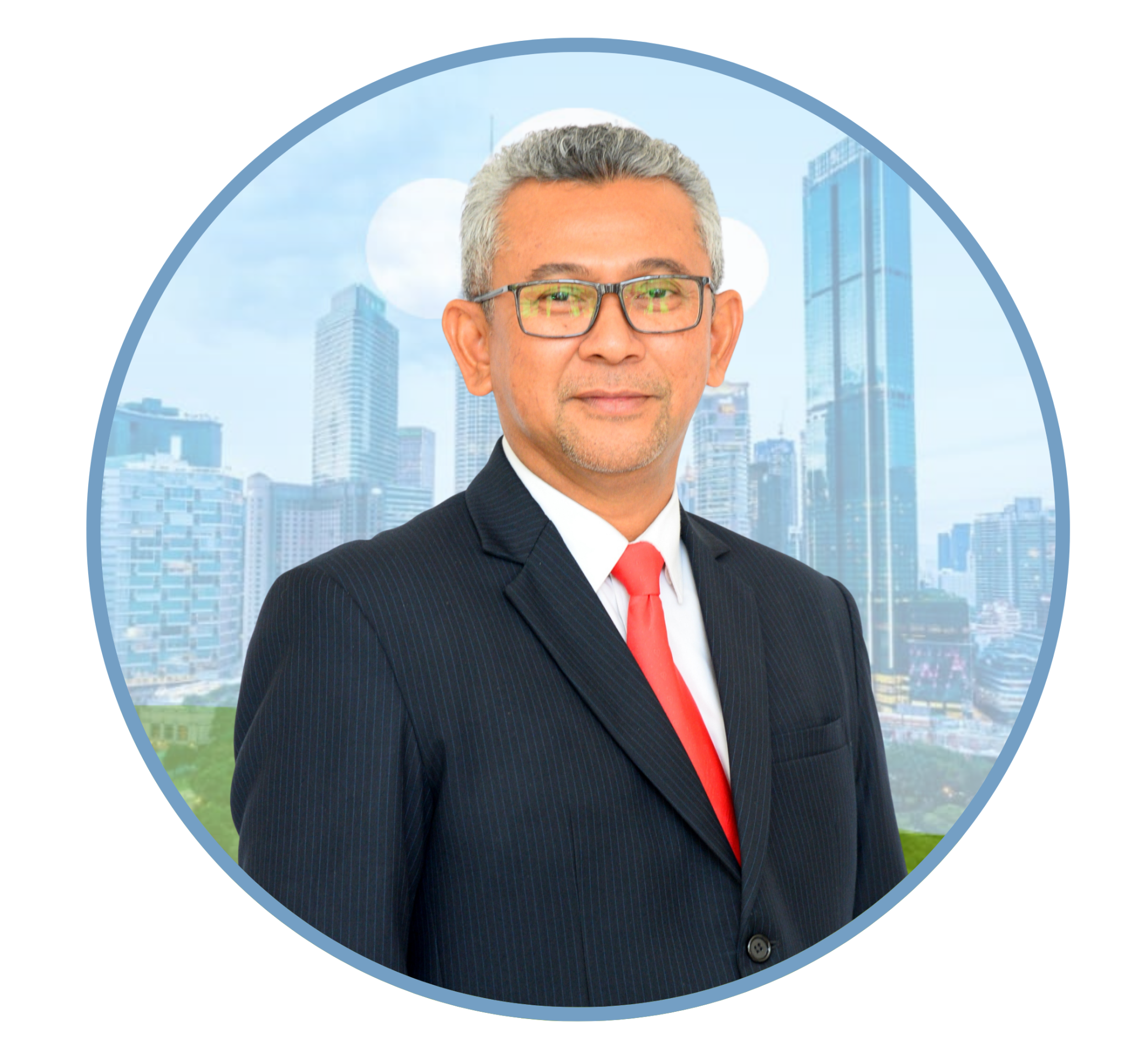
Mohammad Zahir Ismail holds a Bachelor’s Degree in Electrical Engineering from Universiti Teknologi Malaysia (UTM) and a Master of Business Administration jointly awarded by Universiti Tenaga Nasional (UNITEN) and Melbourne Business School (MBS). He began his career with Tenaga Nasional Berhad (TNB) in 1990 as an Electrical Engineer at SJ Perai and has since accumulated over three decades of experience in the power generation industry globally.
Throughout his career, Mohammad Zahir has served in diverse leadership roles encompassing Operations and Maintenance (O&M), Business Support Services (BSS), Procurement, Maintenance Planning, Human Resources and Training (HRAT), as well as Business Performance and Administration across multiple TNB power stations including SJ Perai, SJ Gelugor, SJ Tuanku Jaafar Port Dickson, and SJ Connaught Bridge. His international experience includes serving as Project Manager for Saudi Malaysia O&M Services Co. Ltd. and Al Imtiaz O&M Co. Ltd. both in Saudi Arabia, Operation Head at Shoaiba North Cogeneration Plant, and Plant Manager at Sabiya OCGT Powerplant respectively in Kuwait.
Upon returning from his overseas assignments in 2014, he was appointed to lead Strategic Management and Organization Development (SMOD) for TNB’s Generation Division. He later became the Managing Director of Integrax Bhd. and subsequently served as Senior General Manager (Asset Operation), TNB Generation Division and Head of Asset O&M following the formation of TNB Power Generation Sdn. Bhd. (TNB Genco) in 2020.
In March 2024, Mohammad Zahir was appointed as Chief Operating Officer (COO) of TNB Genco. He currently also serves as Chairman of Integrax Bhd., TNB Manjung Five Sdn. Bhd., and TNB Prai Sdn. Bhd., in addition to being a board member of several other TNB subsidiaries.
TNB Power Generation Sdn. Bhd. (TNB Genco) operates all large-scale hydropower facilities in Peninsular Malaysia, continuing a long-standing involvement in hydropower development that began with its first project in Chenderoh, Kuala Kangsar in 1957. Its current portfolio includes the SSJ Sungai Perak (1,245 MW), SSJ Kenyir (665 MW), and SSJ Cameron Highlands (622 MW) hydroelectric schemes, with the 300 MW Nenggiri Hydroelectric Project set to commence operation by June 2027. Hydropower plays a vital role in strengthening grid resilience while mitigating flood risks across nearby communities. Guided by a strong dam safety culture and a proactive maintenance philosophy, TNB Genco ensures its hydropower assets operate safely, efficiently, and sustainably. Despite challenges such as sediment accumulation and climate-induced landslide risks—exemplified by slope repair efforts at Kenyir in 2022—TNB Genco continues to employ innovation and close collaboration with various stakeholders in overcoming these complexities. Looking ahead, TNB Genco remains committed to driving Malaysia’s hydropower evolution and supporting the national energy transition. Through initiatives such as the Hydro Life Extension Project (HLEP), Pumped Hydro Energy Storage System (P-HESS), and Hydro Hybrid Floating Solar (HHFS), TNB Genco is actively enhancing asset performance while advancing Malaysia’s decarbonisation and Net Zero 2050 aspirations.
Institute of Energy Infrastructure (IEI), Universiti Tenaga Nasional (UNITEN)
Co-President
Malaysia Commission on Large Dams (MYCOLD)
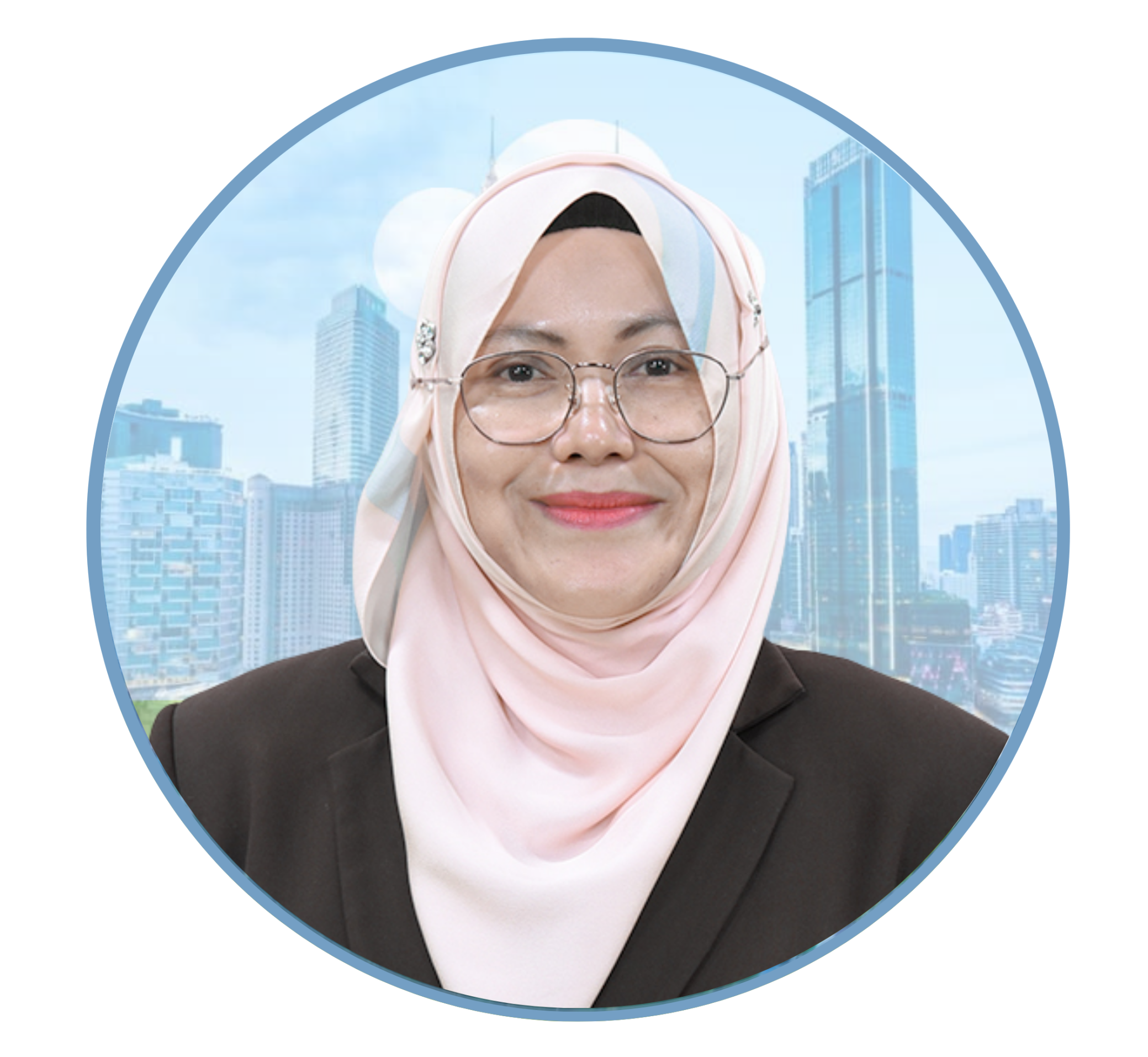
Prof. Datin Ir. Dr Lariyah Mohd Sidek is a Professor at the Institute of Energy Infrastructure (IEI) and Civil Engineering Department, Universiti Tenaga Nasional. She received her PhD in Civil Engineering from Kyoto University, Japan; M.Sc. in Hydrology Engineering from the University of Newcastle Upon Tyne, United Kingdom; and B.Sc. in Civil Engineering from the University of Pittsburgh, USA. Currently, she is the Head of the Dam Safety and Sustainability Intelligence (DSSI) at the Institute of Energy Infrastructure (IEI), Universiti Tenaga Nasional. She has more than 35 years of research and consultancy work experience mainly as a project leader related to hydrotechnical, dam safety and risk assessment, hydrodynamic modelling, dam-break analysis, emergency management planning, climate change adaptation, and flood forecasting, with total funding of more than RM32 Million. She has conducted several trainings such as dam safety and disaster prevention, dam disaster risk reduction program, dam breaks analysis and modelling, flood hazard assessment, Emergency Action Plan (EAP) management and planning. She is Co-President of the Malaysian National Committee on Large Dams (MYCOLD), also the sole representative of Malaysia to the International Commission on Large Dams (ICOLD). She is also a member of several international associations such as the International Association of Hydrological Sciences (IAHS), the International Water Association (IWA), and the Canadian Dam Association (CDA). She is also Chairman of the Dam Safety Technical Committee MYCOLD and serves as Malaysian Dam Safety Expert for the International Commission on Large Dams (ICOLD), Paris, France. She has authored and co-authored over 370 technical and academic papers in various journals, book chapters and proceedings. She has also received more than 30 national and international gold and silver medal awards related to water research, hydrology, hydro-technical design, as well as inventions including INPEX USA, ITEX Malaysia, and INNOVA Belgium. Based on her accomplishments, she has been honoured with the Recognition of Top Research Scientists Malaysia (TRSM) 2023 and Honourable Mention US-Asean Science Women Prize Award 2024 (Senior Category).
As climate change intensifies the frequency and magnitude of floods, landslides, and extreme hydrological events, the traditional standards-based approach to dam safety has become inadequate to address emerging risks. A new paradigm is needed, one that goes beyond compliance toward a risk-informed, AI-ready, and people-centred framework that integrates technology, science, and human resilience. Artificial Intelligence (AI) and advanced analytics are redefining dam safety management through predictive flood modelling, real-time instrumentation, digital twin simulations, and automated risk evaluation embedded within AI-powered Risk-Informed Decision-Making (RIDM) systems. Guided by the ALARP (As Low As Reasonably Practicable) principle, this approach enables proactive hazard identification, early anomaly detection, and evidence-based operational decisions that strengthen preparedness, asset management, and emergency response. Case studies from major hydroelectric schemes and urban reservoirs demonstrate how AI, big data, and community engagement enhance both dam integrity and flood resilience. Anchored in the quintuple helix collaboration among government, industry, academia, NGOs, and communities, this future-oriented approach unites engineering innovation with institutional readiness and social trust. Achieving excellence that is “beyond compliance” demands continuous improvement, strong safety culture, sustainability integration, and inclusive stakeholder participation. This ensures that every dam not only meets regulatory standards but also exemplifies resilience, reliability, and responsibility in safeguarding people, ecosystems, and water security for generations to come.

ICOLD Committee on Seismic Aspects of Dam Design
Swiss Committee on Dams (SwissDAMS)
Martin Wieland has been the Chairman of the ICOLD Committee on Seismic Aspects of Dam Design since 1999 and has more than 40 years of experience in dam and earthquake engineering. He has worked in 35 countries, on 115 large dam projects and obtained his civil engineering degrees from the Swiss Federal Institute of Technology in Zurich, Switzerland. He has authored more than 300 technical papers in the fields of dam and earthquake engineering and is an Honorary Member of ICOLD and the Swiss Committee on Large Dams. He also received an Honorary Professorship from Hohai University in Nanjing in 2002. He was the leader of the ICOLD expert team of the joint CHINCOLD-ICOLD mission to inspect the damage caused to dams and hydropower plants by the May 12, 2008 Wenchuan earthquake in Sichuan Province. Dr. Wieland has been a member of panel of experts of several large storage dams including the 272 m high Enguri arch dam in Georgia. He was also a member of the Structural Advisory Board for the Panama Canal Authority (ship locks for the recently completed new Panama Canal).
His involvement as dam safety expert in Malaysia (2014-2015) includes: Mahang rockfill dam, Jor rockfill dam with rockfill saddle dam, Sultan Abu Bakar hollow buttress dam (Cameron Highland Hydroelectric Scheme); Pergau rockfill dam with regulating pond, Temengor rockfill dam with two saddle dams, Bersia gravity dam with saddle dam, Kenering mixed gravity and rockfill dam, Chenderoh multiple hollow buttress dam (Sg Perak Hydroelectric Scheme); and Kenyir dam with eight saddle dams (Terengganu Hydroelectric Scheme).
Because strong earthquakes cannot be predicted, the earthquake hazard is the most challenging hazard in the safety evaluation of dams and other infrastructure projects. The current seismic safety criteria and recommended seismic safety measures are as follows: (i) Retain the reservoir and protect people from a catastrophic release of water from the reservoir, (ii) Control the reservoir level after an earthquake as a dam could be overtopped and destroyed if the inflowing water into the reservoir cannot be released through damaged spillways or low-level outlets, and (iii) Lower the reservoir level after an earthquake for repair works, for increasing the safety of a damaged dam or when there are doubts about the safety of a dam. Besides the dam body, spillways and low-level outlets must function after strong earthquakes, the stability of wedges in the dam abutments must be ensured, which is of main concern for arch dams, the stability of slopes, whose failure may block the intakes of spillways or low-level outlets must be checked, and the stability of potential landslides in the reservoir and catchment area, which may create large impulse waves or extreme floods or debris flows, has to be checked. These are safety aspects that have hardly been considered up to now. The following seismic safety aspects are discussed: (i) Seismic hazard evaluation including ground shaking faulting, and mass movements; (ii) Seismic design criteria including hydro-mechanical and electro-mechanical components; (iii) Dynamic material properties; (iv) Methods of seismic analyses; (v) Need for seismic reserves; and (vi) Seismic instrumentation. Today much is said about the sustainability of dams but in this discussion, hardly anything is said about dam safety and the long lifespan of dams, which are the essential prerequisites of any sustainable dam project. Due to the long lifespan of well-designed, well-constructed and well-maintained storage dams, safety assessments must be carried out regularly.
Indonesia National Committee on Large Dams
(INACOLD)
He graduated in Civil Engineering from the Bandung Institute of Technology (ITB) in 1977 and obtained his PhD in Construction Methodology from Curtin University, Australia, in 2005. With over four decades of experience in the dam industry, he has held key roles in major projects such as Saguling, Cirata, Renun, Musi, and Lau Gunung Dams. Since 2000, he has served as a member of the Indonesia Dam Safety Commission (IDSC) and is currently the Vice Chairman of INACOLD. Internationally, he is an active member of ICOLD’s Technical Committee on Emerging Challenges and Solutions of Dams in the 21st Century, contributing to several ICOLD Bulletins, and has participated in more than 30 ICOLD Annual Meetings worldwide. He also serves as an assessor for Certified Dam Safety Inspectors (CDSI) and is an Editorial Board member of the Journal of Intelligent Construction. Alongside his professional commitments, he is Adjunct Associate Professor at ITB, with extensive publications in dam engineering and safety.
Since 1993 Ministry of Public Works of Indonesia has established a special unit to deal with dam safety. During this period of 32 years, the dam safety unit has been processing hundreds of dams with different types (CFRD, CVC, RCC, ACED, CCED etc) and also different stages from design up to the end of life. Furthermore, challenges at each location of the project site posed unique solutions to secure long-term dam safety. Various options available have been discussed for the agreement between parties involved depending on the development stage, site conditions such as topography, hydrology, geology, material availability, environmental issues, etc. The author will outline the structure of dam safety unit, various technical issues as well as current works in progress to complete the targets as set by different dam owners (state owned company, independent power producer, private tailing dam developer etc) and not merely the government of Indonesia represented by Ministry of Public Works.
NanJing NARI Water Resources and
Hydropower Technology Company Limited
Zhao Bin, General Manager of Nanjing NARI Water Conservancy and Hydropower Technology Co., Ltd., is the Secretary General of the Dam Safety Monitoring Committee of the Chinese Water Conservancy Society. PhD, Professor level Senior Engineer, Doctoral Supervisor.
He has engaged in long-term work in the fields of dam safety monitoring, water conservancy and hydropower automation, and informatization. He has published over 40 papers in various academic journals both domestically and internationally and participated in the writing of monographs such as "Expert System for Comprehensive Evaluation of Dam Safety", "Prototype Back Analysis and Its Application of Dams", and "Safety Monitoring and Feedback Design of Three Gorges Hydraulic Structures".